FREE SHIPPING on all orders over $50


How Grip Pressure Impacts Power, Control & Endurance

Grip pressure might not be the flashiest topic, but it's one of those fundamentals that quietly decides how much pop you get on smashes, how tight your volleys stay, and whether your arm holds up through a full three-setter. In steamy indoor courts or humid summer sessions, where sweat and fast rallies test everything, dialing in your grip pressure can deliver noticeable gains in power, sharper control, and better endurance without changing your swing or buying new gear.
From club nights to tournament matches, I've watched players squeeze too hard early and fade, while others stay relaxed and keep hitting clean late. Grip pressure—how firmly you hold the racket—directly influences energy transfer, wrist mobility, and muscle fatigue. Let's unpack how it affects the big three: power, control, and endurance in padel, with practical tips to apply it on court.
Understanding Grip Pressure

Grip pressure is the force your hand applies to the racket handle, scaled roughly 1 (barely holding) to 10 (white-knuckle tight). In padel, where points involve quick volleys, defensive lobs, bandejas, and explosive smashes, static pressure doesn't cut it. Dynamic grip pressurer, elaxed most of the time, firming up at contact, is what top players use.
The continental grip dominates padel for its versatility across shots, but pressure matters more than the grip itself. Too tight overall tenses your forearm and wrist, blocking natural movement. Too loose risks twists or slips on impact. The ideal? Around 4-6 in ready position, ramping to 7-8 at ball contact, then releasing. This lets you react fast while staying secure.
In humid conditions or long rallies, poor pressure leads to slips, mishits, or early fatigue. Get it right, and every shot feels more efficient.
How Grip Pressure Affects Power

Padel power comes from full-body rotation, timing, and clean energy transfer, not just arm strength. A relaxed grip lets the kinetic chain flow: legs drive, core rotates, shoulder whips, racket accelerates.
Overgripping locks your forearm and wrist, killing whip and snap. Smashes lose pace, viboras flatten out, and overheads feel pushed instead of explosive. The racket can't accelerate freely, so you compensate with extra effort, leading to inconsistent power.
A grip that's too loose absorbs impact energy, making shots weak or floaty, especially on defensive blocks or counter-volleys.
Dynamic pressure fixes this: stay relaxed (3-5) during prep, squeeze firmly (7-9) at contact for stability, then relax. This maximizes racket-head speed and energy redirection. Players often notice bigger, effortless smashes once they loosen up, same body effort, more ball speed.
Grip Pressure and Control
Control means consistent racket-face angle, precise placement, and spin generation. Grip pressure controls how well you adjust mid-shot.
Tight gripping stiffens the wrist and forearm, limiting subtle tweaks. Volleys go rigid, bandejas lose touch, and drops sail long because you can't brush or soften effectively. In fast net exchanges, overgripping reduces feel for directional changes.
Loose pressure lets the racket twist on off-center hits or heavy incoming balls, causing mishits or unintended angles, common in defensive play.
Dynamic approach wins: relaxed for wrist mobility and feel, firm at impact to lock the face. This gives repeatable depth, angles, and spin, topspin on drives, slice on lobs. Many players see fewer "why wide?" errors after focusing here. In humid conditions, a secure dynamic grip (with good tacky overgrip) prevents slips without extra squeeze.

Grip Pressure's Role in Endurance and Fatigue Prevention
Endurance isn't just lungs, it's how long your hands, wrists, and forearms stay fresh. Constant overgripping is a silent fatigue builder.
Tight pressure engages forearm muscles nonstop, spiking lactic acid and tension. After sets, your grip weakens, shots lose zip, and elbow/wrist strain builds - hello, potential tennis elbow or grip-related fatigue.
Relaxed dynamic pressure keeps muscles chill most of the point, tensing only briefly at contact. This delays burn dramatically, players report playing extra sets with less arm heaviness.
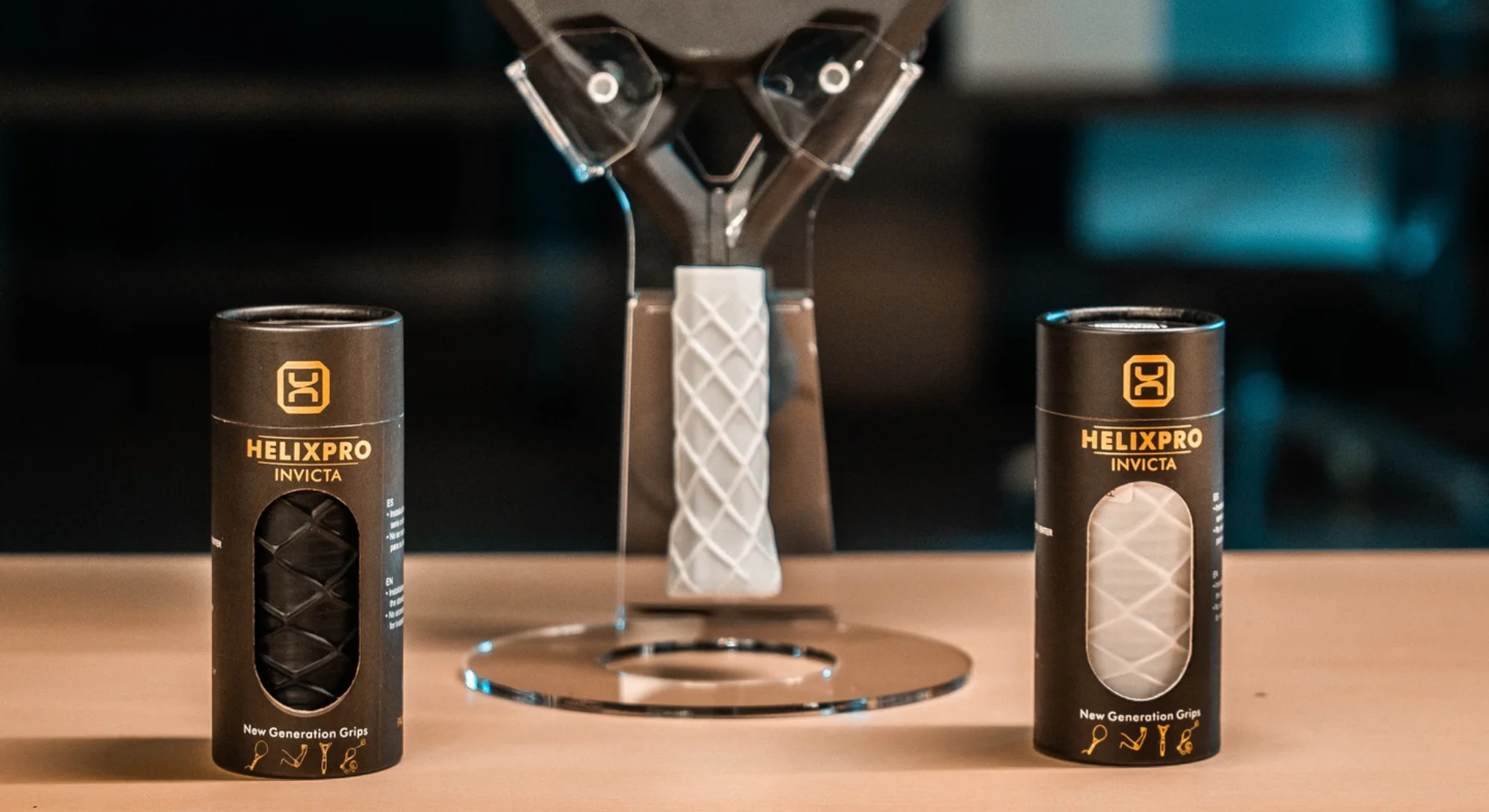
Better grip strength (from training) helps, but technique trumps it. A non-slip, durable setup like Helix Pro overgrips and Invicta undergrips reduces needed pressure for hold, less squeeze, less fatigue. The silicone repels sweat, stays tacky longer, so you maintain control without gripping harder as hands tire.
Practical Ways to Optimize Grip Pressure
Start easy: next warm-up, check ready position - hold like shaking hands, firm but loose enough to feel the handle. Imagine cradling an egg: secure, no crush.
Time your squeeze: relaxed on take-back, firm at contact, release after. Self-check mid-rally: "What's my pressure?"
Drill it: volley feeds with loose grip (feel wobble), then over-tight (feel stiffness), find middle. Hit smashes relaxed then firm, note power difference.
Use feedback: film swings or partner watch for tension signs (raised shoulders, stiff wrist). Pair with continental grip basics for most shots.
Gear supports it: Helix Pro combo gives reliable hold with minimal squeeze, anti-slip diamond pattern locks without death-grip effort.
In 2026 padel, where fast points and wall play demand quick, sustained performance, grip pressure tweaks pay off fast. Loosen up, time squeezes, feel shots clean up and arms stay fresher.
Experiment on court, small changes add big consistency. At Pro Grips USA, we're geared toward smart, performance-focused setups like Helix Pro Grips and Invicta undergrips that make dynamic pressure easier.
How's your grip pressure feeling these days? Share in comments, what shots benefit most when you relax it?


